Are Office Suites the Smartest Way to Upgrade a Growing Workspace?
Is your workspace starting to feel pieced together, cramped, or hard to scale? Office suites are coordinated desk systems that balance style, storage, and layout flexibility. In Houston office furniture and across Texas office furniture markets, businesses are leaning toward commercial office furniture that looks polished without turning into a custom-budget headache. This article breaks down features, benefits, use cases, and when office suites beat mixing desks, chairs, and conference tables. From an IT perspective, a good suite can simplify cable routing, device placement, and everyday support. And honestly, the priciest option isn't always the smartest one.
What an Office Suite Actually Gives You
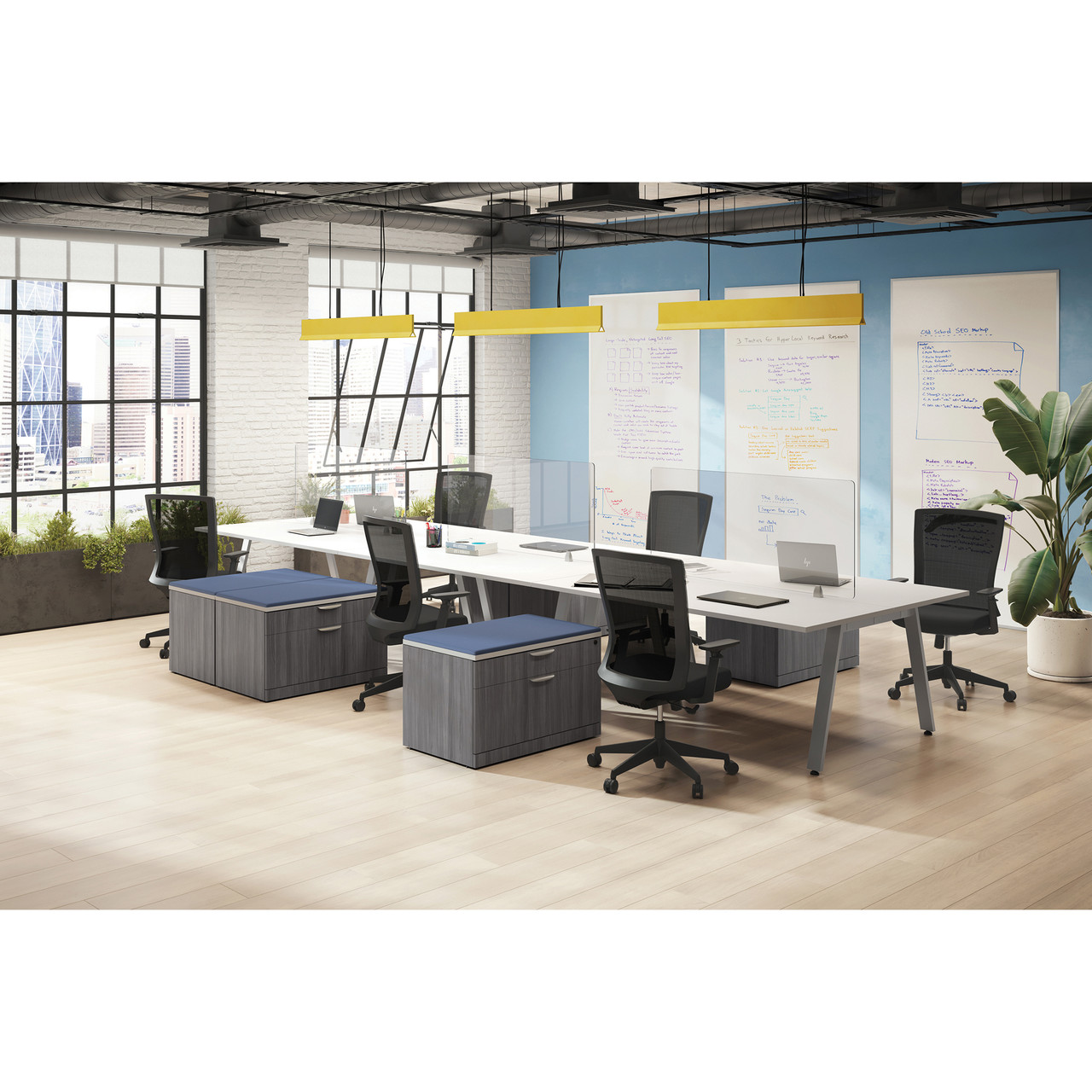
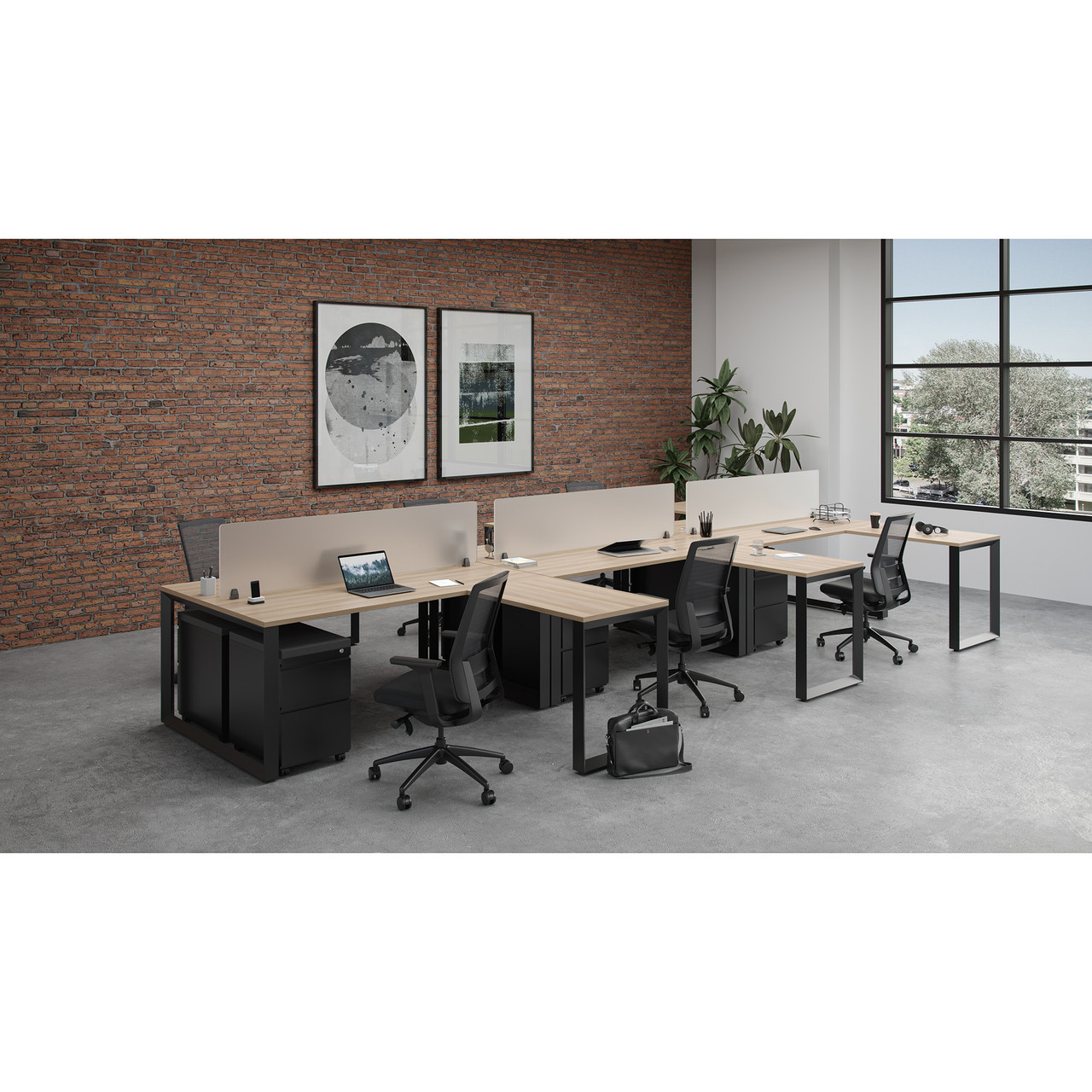
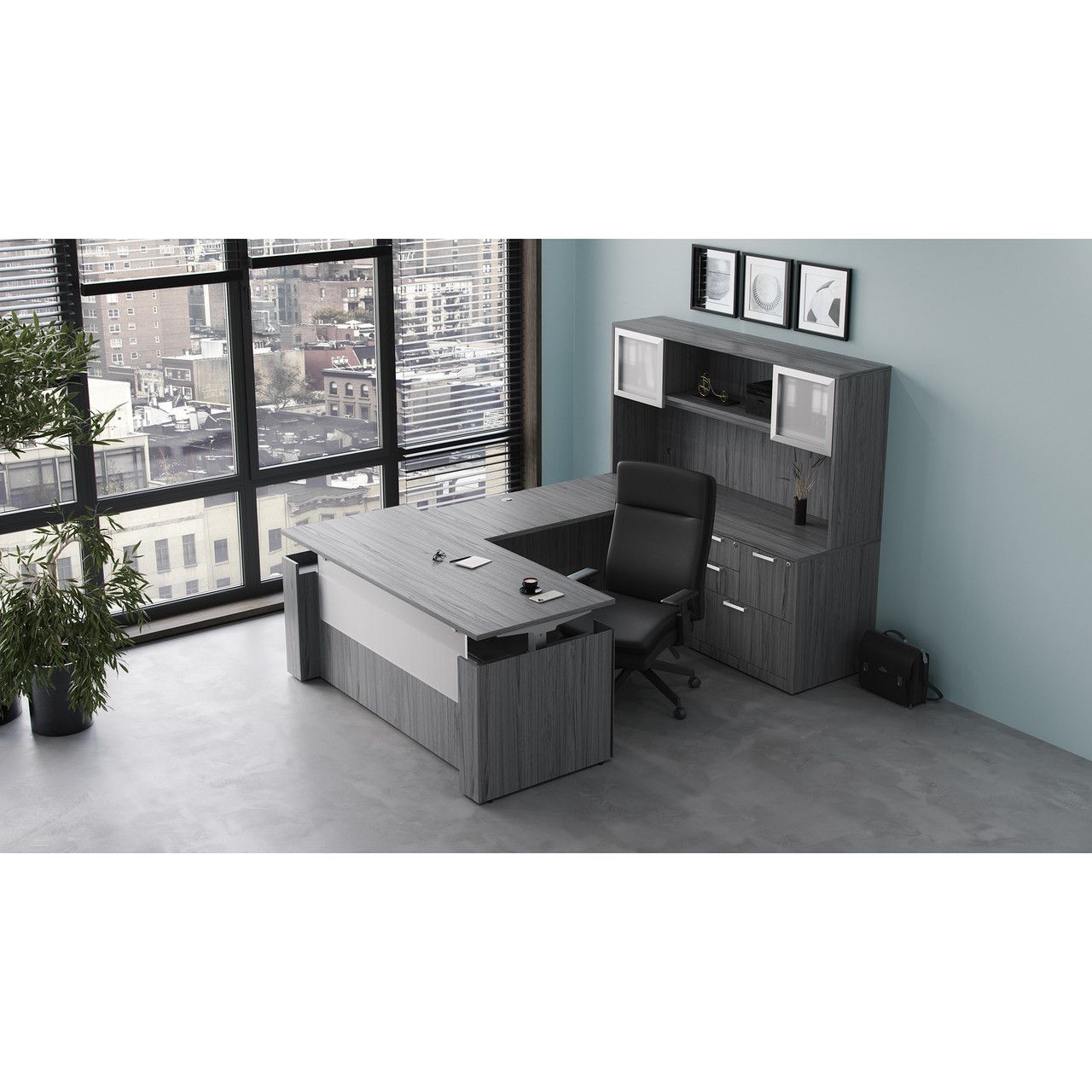
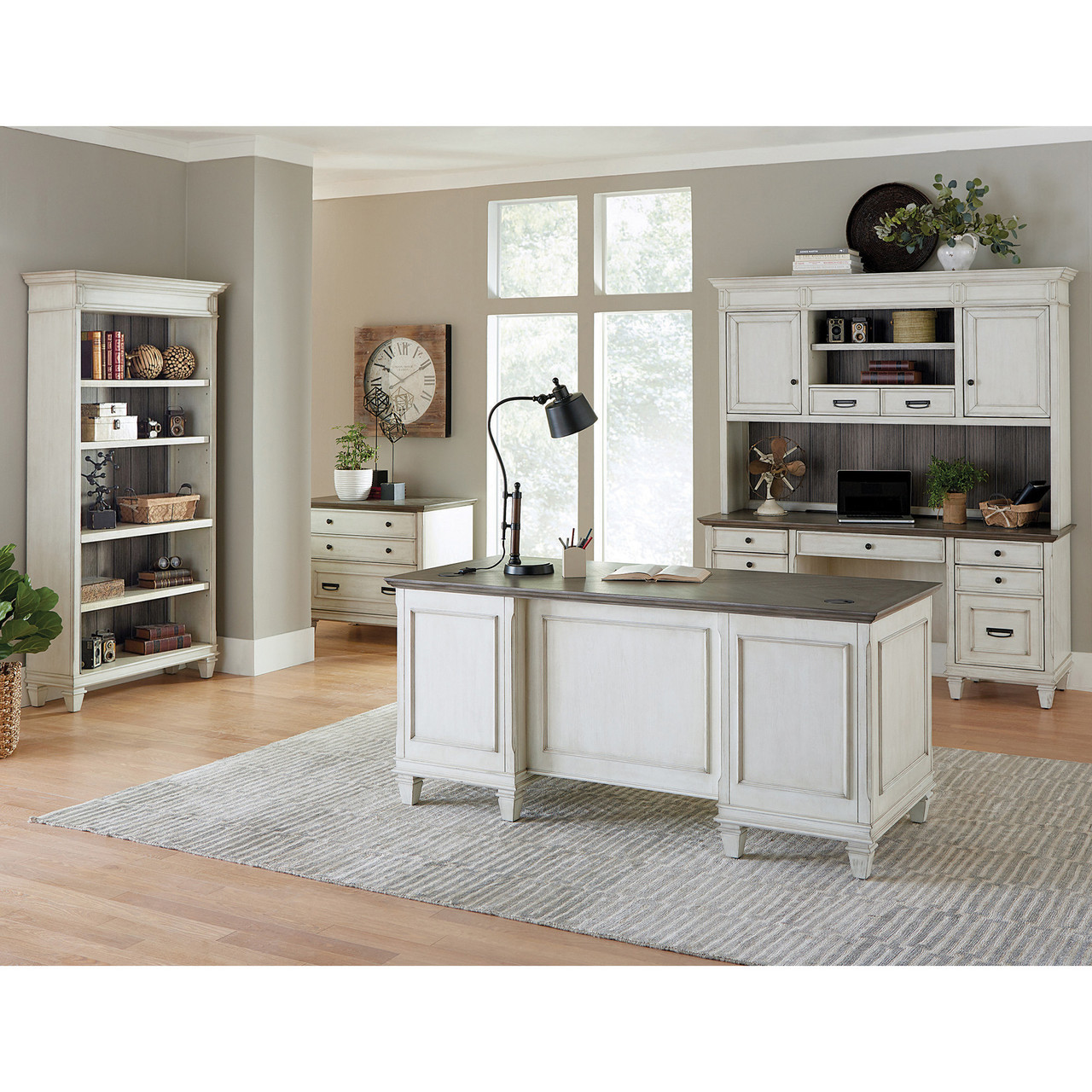
At its core, an office suite gives you a matched system: desk surfaces, pedestals, connector pieces, modesty panels, return sections, and sometimes coordinated storage. Instead of a room that feels patched together, you get one footprint that looks intentional. That matters more than people think. Cleaner cable management is easier because the layout is designed for it, not improvised after the fact. Planning the room is simpler too, especially when you need to leave room for printers, task chairs, and foot traffic. Visitors notice that polished feel right away, and staff usually do too. For businesses comparing office cubicles Houston, workstations Houston, or full-service office furniture, suites often land in the sweet spot between modular flexibility and a finished look.
A manager, two coordinators, and a small meeting zone can fit more efficiently when the furniture comes from one family of pieces. Premium finishes are nice, sure, but I wouldn't overpay for them if the suite is headed to a back-office area where durability matters more than show. If you're comparing finishes and sizing, OfficeSource's official product lineup is a practical place to start.Why Office Suites Often Beat Piecemeal Furniture
One of the biggest advantages of office suites is simple value. When people buy separate office desks and office chairs one at a time, they often end up with inconsistent heights, mismatched materials, and awkward spacing. A suite usually avoids that mess. The result is a cleaner install and a more predictable workflow. From an IT and operations angle, there are hidden wins everywhere: fewer cable clutter issues, easier docking station placement, and better support for monitors, shared printers, and other peripherals. That lines up with current commercial office furniture trends, where businesses want office interior solutions that can scale without constant rework. It also reduces decision fatigue for managers setting up a new team, satellite office, or expansion floor. I’ve seen a simpler suite outperform a fancier custom build because it’s easier to deploy, support, and maintain.
Another benefit? Seasonal planning. Companies often reconfigure layouts during Q1 or summer hiring surges, and a suite makes that rollout smoother. If you want a broader read on layout choices, this office suites vs. individual desks comparison is a useful companion.Best Use Cases for Office Suites in Real Workdays
Office suites really shine in spaces that need structure and polish at the same time. Think executive offices, team lead stations, reception-adjacent work areas, operations hubs, and small departments that need both privacy and collaboration. They’re also a strong fit when a business wants a clean client-facing look but still needs durable surfaces for everyday work. I like them near conference tables when the suite is part of a larger layout with shared meeting space; it keeps the flow organized without making the office feel boxed in. In Houston office furniture markets, growing companies often use suites to create a professional image without committing to permanent built-ins.
In my experience, the offices that stay organized longest are the ones where the furniture supports the workflow, not the other way around. Premium options aren't always necessary either, especially for teams that mostly live in laptops and cloud apps. A modest suite can be the smarter long-term buy if it leaves room in the budget for office chairs, storage, or tech upgrades. For more ideas on fit and function, the workspace planning approach in this guide pairs well with suite shopping. A matching category selection can also make shortlisting easier.How to Choose the Right Office Suite Without Overspending
Start with the room itself. Measure the space, map circulation paths, and make sure the suite won’t block doors, outlets, or shared equipment. Next, decide what the space actually has to do: focused work, client meetings, admin tasks, or a hybrid setup. Then choose storage based on real needs, not guesses. Pedestals, file drawers, and shelving should match document volume and device count. After that, align the finish and edge profile with nearby office interior solutions so the suite feels integrated with office desks, conference tables, and seating. Businesses buying Texas office furniture often weigh durability, surface texture, and lead time more than flashy aesthetics, and that’s usually the right instinct. Quick checklist: measure twice, confirm power access, define the function, and budget for chairs and tech. Common mistake? Buying a suite that looks impressive on paper but overwhelms the room. Modular systems are usually easier to adapt when teams grow or move, and that flexibility pays off.
OfficeSource OSTYP347 vs. OfficeSource OSTYP153: Which Suite Fits Better?
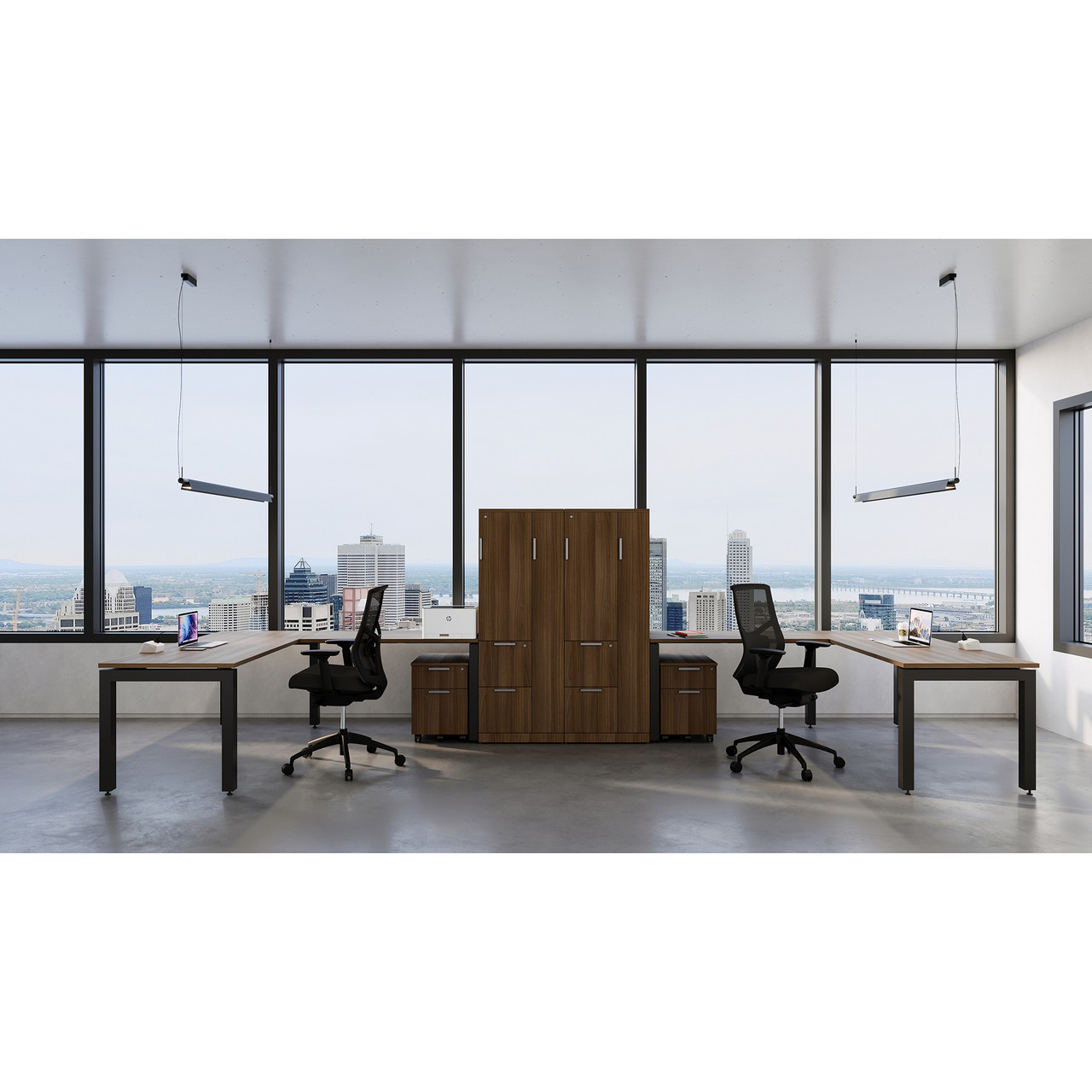
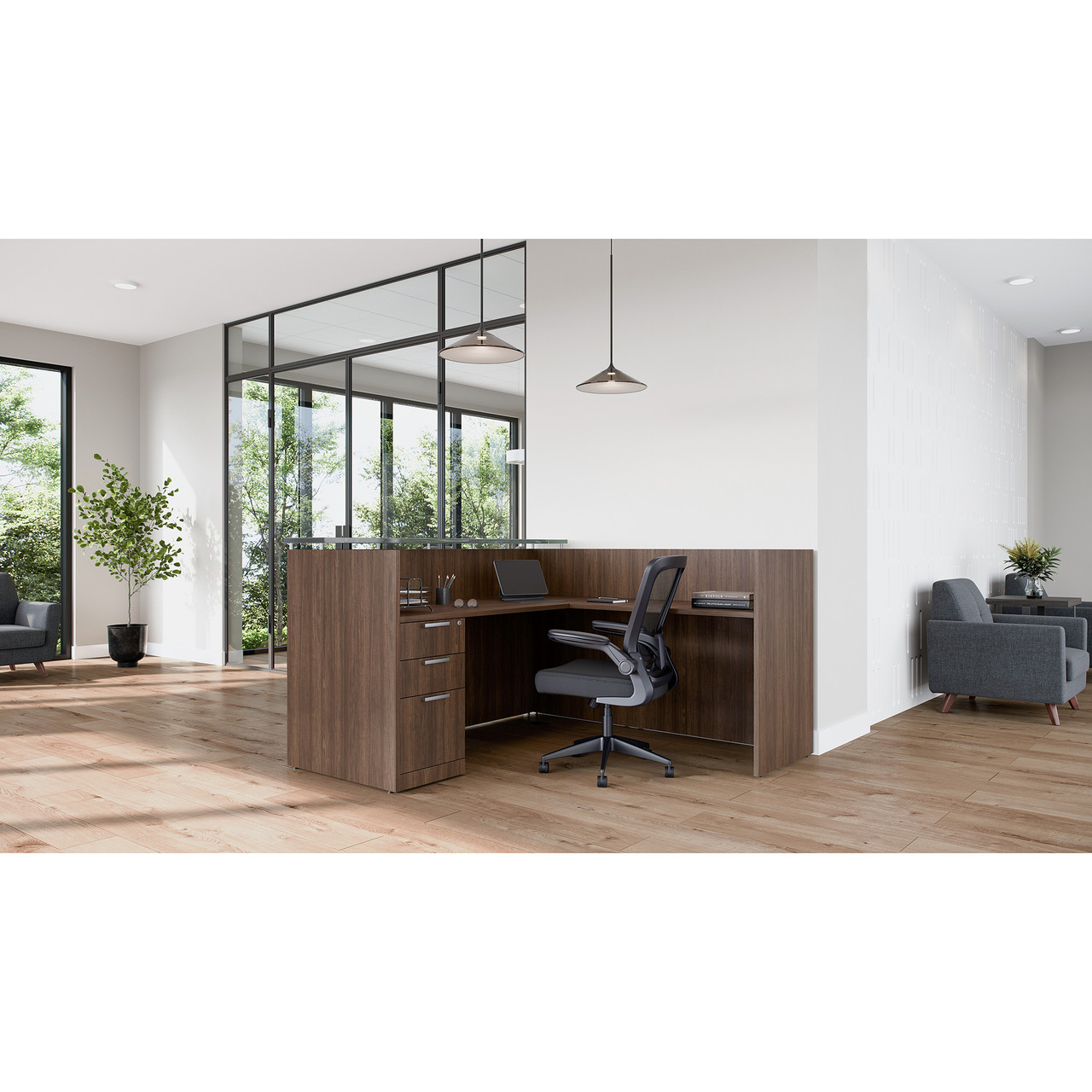
When comparing OfficeSource | Variant | Typical OSTYP347 with OfficeSource OS Laminate Collection Reception Typical - OSTYP153, the difference is mostly about purpose. OSTYP347 looks better suited for a broader workstation or suite application, with included leg bases and connector components that suggest a modular build for team-focused layouts. That makes it a smart pick for back-office productivity, shared work areas, or spaces that may change later. OSTYP153, on the other hand, is clearly reception-oriented. Its laminate finish and front-desk layout are built to welcome guests and create a polished first impression. So if your priority is a professional greeting area, OSTYP153 is usually the better call. If you need internal flexibility, OSTYP347 may offer more layout versatility. Businesses comparing office cubicles Houston options or full-service office furniture packages should always weigh traffic flow, staffing, and brand image before choosing.
How to Plan and Set Up an Office Suite the Right Way
A good setup starts before the boxes arrive. Step 1: measure the room and note door swings, outlets, HVAC vents, and walking lanes. Step 2: decide whether the suite is for focused work, reception, or a hybrid space with light collaboration. Step 3: sketch the layout on paper or in a simple floor plan app, placing the main desk first and then adding storage, chairs, and nearby conference tables. Step 4: check cable paths before installation so monitors, docks, and chargers don't turn into clutter. Step 5: assemble the suite in the correct order, usually starting with the base pieces and then adding connectors and surfaces. Step 6: test ergonomics—chair height, reach distance, screen position, and legroom. A small pro tip: leave a little extra clearance for future tech or storage changes. One mistake I see a lot is blocking access to power or cramming too many accessories onto the surface. Keep it practical, and the suite will work with you, not against you.
Conclusion
So, are office suites worth it? In many growing workspaces, yes—they're often the best answer when a business wants a coordinated, professional, and scalable setup without going fully custom. The real value comes from the balance: useful features, cleaner installation, better workflow, and a strong client-facing image. That's especially true when you're shopping commercial office furniture or broader office interior solutions and need something that fits both the room and the budget. And here's the honest part: the smartest purchase isn't always the premium one. Sometimes the better decision is simply the suite that creates fewer compromises. Does your current setup support the way your team actually works, or is it just filling the room? If you're ready to compare layouts, simplify maintenance, and make future upgrades easier, explore the office suite category and see which options fit your team best.
Frequently Asked Questions
Common questions about Office Suites